- Agarwal, P. K., Nunes, L. D., & Blunt, J. R. (2021). Retrieval practice consistently benefits student learning: A systematic review of applied research in schools and classrooms. Educational Psychology Review, 33, 1409-1453. (pincha aquí)
- Anderson, J.R. (1993). Problem Solving and Learning. (pincha aquí)
- Berliner, D. C. (2001). Learning about and learning from expert teachers. International Journal of Educational Research, 35(5), 463-482. (pincha aquí)
- Black & Wiliam, 1998. Assessment and Classroom Learning (pincha aquí)
- Bjork, E. L., & Bjork, R. A. (2011). Making things hard on yourself, but in a good way: Creating desirable difficulties to enhance learning. (pincha aquí)
- Carpenter, S.K., Witherby, A.E., & Tauber, S.K. (2020). On Students’ (Mis)judgements of Learning and Teaching Effectiveness. (pincha aquí)
- Deans for Impact, 2015. The Science of Learning (pincha aquí)
- Dunlosky et al., 2013. Improving Students’ Learning With Effective Learning Techniques: Promising Directions From Cognitive and Educational Psychology (pincha aquí)
- Ferrero, 2020. Can Research Contribute to Improve Educational Practice? (pincha aquí)
- Hattie & Timperley, 2007. The Power of Feedback (pincha aquí)
- Kalyuga et al., 1998. Levels of Expertise and Instructional Design (pincha aquí)
- Karpicke & Roediger, 2008. The Critical Importance of Retrieval for Learning (pincha aquí)
- Koriat, A., & Bjork, R. A. (2005). Illusions of Competence in Monitoring One’s Knowledge During Study. (pincha aquí)
- Lipnevich & Panadero, 2021. A Review of Feedback Models and Theories: Descriptions, Definitions, and Conclusions (pincha aquí) Y segunda parte (pinchando aquí)
- McCabe, J. (2011). Metacognitive awareness of learning strategies in undergraduates. (pincha aquí)
- McDaniel et al., 2008. Learning Styles: Concepts and Evidence (pincha aquí)
- Mujis, Kyriakides et al., 2014. State of the art – teacher effectiveness and professional learning (pincha aquí)
- Paivio, 2006. Dual Coding and Education (pincha aquí)
- Pashler et al., 2007. Organizing Instruction and Study to Improve Student Learning (pincha aquí)
- Presley, M., & Harris, K. R. (2008). Cognitive Strategies Instruction: From Basic Research to Classroom Instruction. The Journal of Education, 189(1/2), 77–94 (pincha aquí)
- Roediger, H.L., & Karpicke, J.D. (2006). Test-Enhances Learning: Taking Memory Tests Improves Long-Term Retention. (pincha aquí)
- Rohrer, D., & Taylor, K. (2007). The Shuffling of Mathematics Problems Improves Learning. (pincha aquí)
- Rosenshine, 2012 Principles of Instruction (pincha aquí)
- Ryan & Deci, 2000 Self-Determination Theory and the Facilitation of Intrinsic Motivation, Social Development, and Well-Being (pincha aquí)
- Soderstrom & Bjork, 2015. Learning Versus Performance: An Integrative Review. (pincha aquí)
- To, Panadero & Carless, 2021. A systematic review of the educational uses and effects of exemplars (pincha aquí)
- Tricot & Sweller, 2013. Domain-Specific Knowledge and Why Teaching Generic Skills Does Not Work (pincha aquí)
- Webb & Sheehan, 2006. Does Changing Behavioral Intentions Engender Behavior Change? A Meta-Analysis of the Experimental Evidence (pincha aquí)
- Zimmerman, 1989. A Social Cognitive View of Self-Regulated Academic Learning (pincha aquí)
- Libro IMPRESCINDIBLE: Patterns of attachment. Ainsworth et al., 2015. (pincha aquí)
- Libro IMPRESCINDIBLE: In their own words: What Scholars and Teachers Want You to Know About Why and How to Apply the Science of Learning in Your Academic Setting. (pincha aquí)
- Libro IMPRESCINDIBLE: Evaluación formativa y compartida en educación: experiencias de éxito en todas las etapas educativas. Pérez Pueyo, A; López Pastor, V.M. (coord.). (pincha aquí)
- Libro IMPRESCINDIBLE: Psicología del aprendizaje. Óscar Pineño, Miguel A. Vadillo y Helena Matute. (pincha aquí)
- Libro IMPRESCINDIBLE: 50 Great Myths of Popular Psychology. Lilienfeld, Lynn, Ruscio and Beyestein (pincha aquí)

Recomiendo leer
Tweet
Últimas entradas

¿Es transparente la investigación educativa?
Basado en: Makel, M., Caroleo, S., Meyer, M., Pei, M., Fleming, J., Hodges, J., Cook, B., & Plucker, J. (2026). ‘Don’t hate the players, hate the game’: qualitative insights from education researchers on questionable and open research practices. R. Soc. Open Sci., 13: 251888. https://doi.org/10.1098/rsos.251888 ¿Te has preguntado alguna vez si la investigación educativa es transparente?…


Relaciones que importan: lo que nos dice la investigación sobre la relación docente-alumno
¿Hasta qué punto la relación entre el profesorado y el alumnado explica lo que sucede en el aula? En esta entrada dejamos de lado impresiones y nos sumergimos en una síntesis bestial qu nos ofrece la revisión sistemática con meta-análisis de segundo orden (SOMA). Este procedimiento integra resultados ya meta-analizados, modeliza sus diferencias conceptuales y…
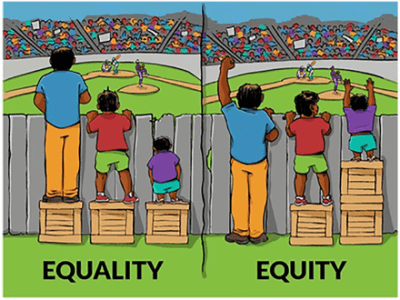
¿Equidad educativa? Cinco sentidos, varias trampas y algunos riesgos.
Convengamos algo desde el principio: el término “equidad” ha alcanzado tal ubicuidad en educación que a veces desempeña la poco decorosa función de comodín. Todos la invocan; pocos la definen. El artículo de Levinson, Geron y Brighouse (ver referencia al final de la entrada) ayuda a ordenar el barullo: muestra que bajo la misma etiqueta…